What Social Media Isn't Telling Artists About Their Music
Every day, tracks appear in brand campaigns, viral videos and commercial content that artists never know about. Here's what the visibility gap looks like — and why it matters.

Nick Payne
Founder
Featured
What Social Media Isn't Telling Artists About Their Music
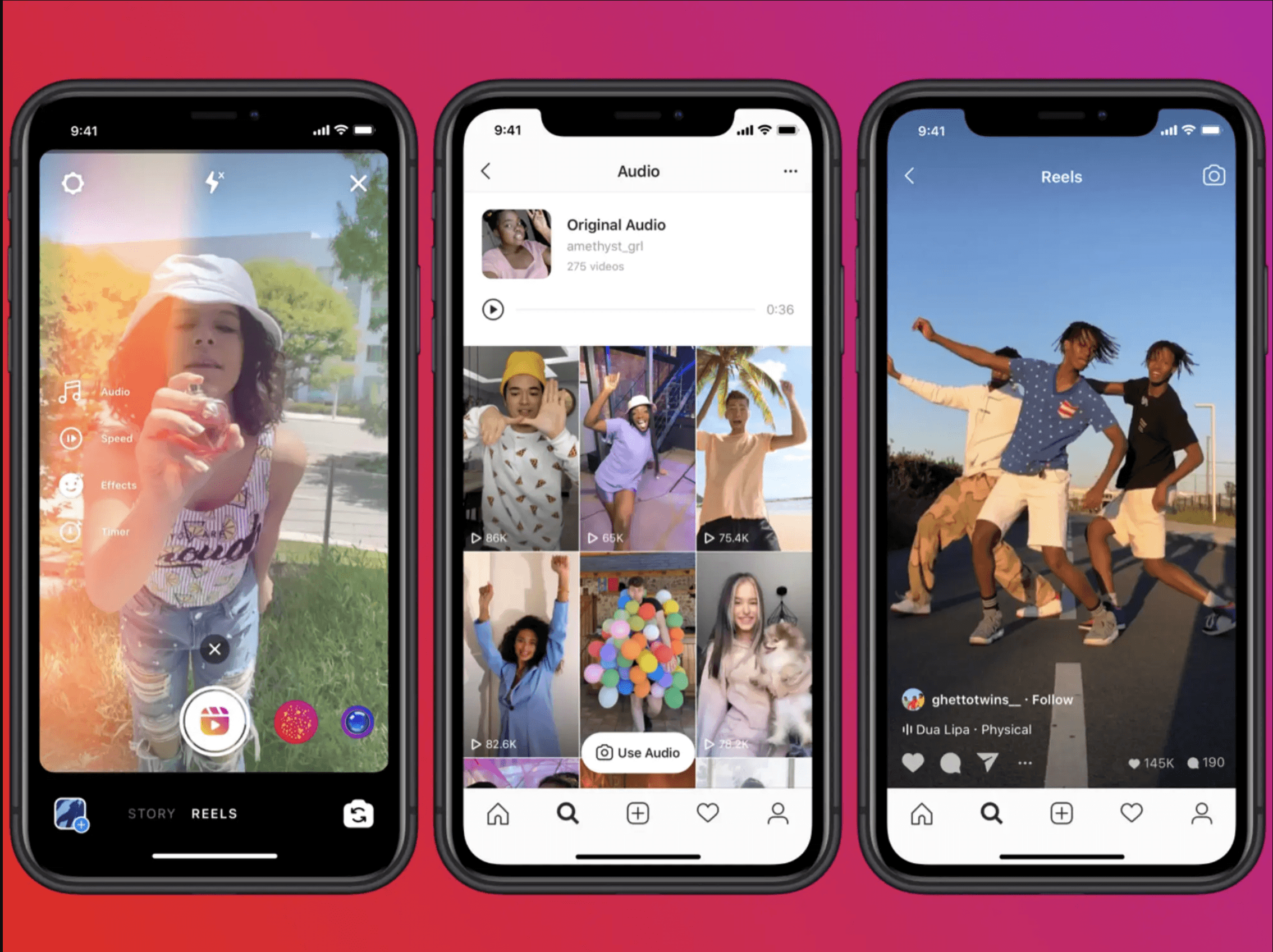
When your music appears in a brand campaign, a viral Reel, or a commercial TikTok post, you might never know it happened. The content plays, the views accumulate, the brand builds its social presence, and the artist who created the soundtrack has no visibility into any of it.
This isn't always a licensing failure. Some commercial use is properly licensed, and artists receive what they're owed through their label or publisher. But a significant portion of commercial music use in social media happens outside the documented licensing system, and the artists whose work is being used are often the last to find out.
The visibility gap in social music use
The music industry has spent two decades building systems to track music use in broadcasting, streaming, and physical sales. Cue sheets, fingerprinting systems, PRO monitoring, all designed to ensure rights holders are identified and compensated when their music is used in licensed contexts.
Social media created a new category of use that these systems weren't designed to capture: short-form commercial content, produced at scale, on platforms where music is integral to how content spreads.
For an individual artist, their music might appear in hundreds of brand posts, creator videos, and commercial campaigns across TikTok, Instagram, Facebook, and other platforms. The recording is identifiable. The use is commercial. Whether that use is captured in any licensing or royalty system, and whether the artist or their team knows about it, is a different question.
Why artists are last in the information chain
When commercial music use is identified and licensed, the flow of information typically moves through labels and publishers before it reaches artists. The label identifies usage, negotiates any licence, and accounts to the artist through royalty statements, which may arrive six to eighteen months after the fact, aggregated with dozens of other income lines.
For artists on standard recording contracts, the specific uses that generated that income are rarely visible. A royalty statement might show "social media licensing income" without specifying which tracks were used where, by which brands, or at what scale.
For unsigned or independent artists, the picture is more complex. Rights may sit with them directly, but the monitoring infrastructure available to independent artists is limited compared to what major labels and large publishers have access to. Usage that would be caught by a label's monitoring operation may simply go unidentified.
What commercial use without licensing means for artists
When a brand uses an artist's music without a commercial licence, which, as our research into 200,000 TikTok posts found, happens at significant scale, the consequences extend beyond the immediate revenue question.
Revenue that should flow through a licensing agreement doesn't. The artist's PRO may collect performance royalties for some uses, but commercial licensing revenue requires an actual licence to exist in the first place.
The artist's catalog data is incomplete. If a brand campaign using your track generates 50 million views and that use is never recorded, your music's commercial reach is undocumented. That affects how your catalog is valued, how sync agents pitch your music, and how publishers discuss your work with prospective partners.
The use happened without the artist's knowledge. Commercial use of music in sync placements often involves approval processes. When use occurs entirely outside the licensing system, those conversations never happen.
The music that travels furthest is often least visible
There's a specific category of music use that the current system captures least well: trending tracks in commercial contexts.
When a track takes off on TikTok or Instagram and becomes the soundtrack of a cultural moment, brands respond quickly, using the audio because it's what audiences are engaging with. At scale, this creates a pattern where the most culturally significant tracks are the ones with the most ambiguous commercial activity around them.
The track that's on every brand's content this week is not necessarily the track whose licensing income reflects that reach. The artist whose song is everywhere on TikTok this month may have no visibility into what that presence is actually generating.
What better visibility looks like
The missing piece in the current system isn't identification technology, music recognition has been technically reliable for years. It's the connection between identification and a commercially aware, complete view of what's actually happening with a given piece of music.
Artists and their teams need to know: which of my tracks are being used in commercial content, by which brands, at what scale, and in what context? That's a different question from general monitoring. It's a specific question about commercial activity that has implications for licensing, catalog decisions, and understanding your music's real reach.
Labels and publishers with scale have some version of this visibility. Independent artists and smaller publishers largely don't. The gap between those two groups in terms of commercial music intelligence is significant, and it's one the industry is slowly beginning to address.
The perspective nobody else is covering
The public conversation about commercial music licensing tends to be framed around brand compliance questions and rights holder enforcement operations. The artist's perspective — what is my music doing out there, and who's benefiting from it, is rarely centred.
That's a gap worth filling. Not because it changes the underlying legal framework, but because the information that already exists about commercial music use on social platforms should be accessible to the people whose work is being used. Visibility is the starting point for any other conversation.
Related Content: